Google Ads for a private clinic in Manchester
What the healthcare policies allow a physio, dental or aesthetics clinic to say, which services need certification, and the booking that counts
What Google's healthcare policies let a Manchester physio, dental or aesthetics clinic say, which services need certification, and the booking that counts.
By Daniel Stoychev, Webso Digital · 6 October 2026 · 7 min read
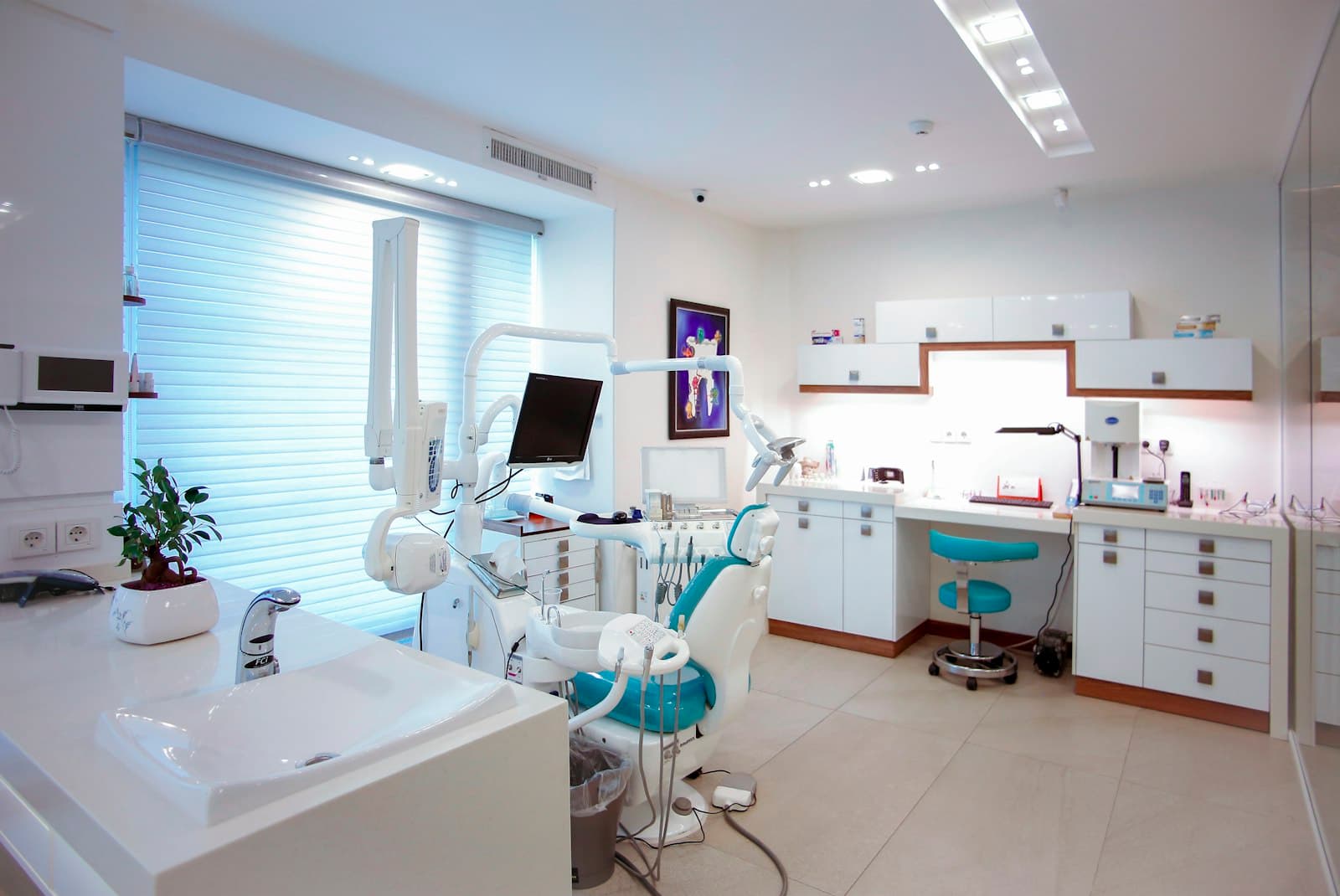
A private clinic in Manchester can run Google Ads for most of what it does: physiotherapy, dentistry, podiatry, aesthetics, private GP appointments, scans. Three things shape the account. Google's healthcare and medicines policy restricts some services and requires certification for others, so the first job is to check which column the clinic's services fall in. Personalised advertising rules mean the clinic cannot build audiences from health conditions, so remarketing is limited to the clinic's own pages and the campaign lives on Search. And the booking is the conversion: an online booking completed, or a call over ninety seconds, counted once, with the enquiry form a distant third. Get those three right and a clinic account is one of the cleanest there is, because the searches are specific and the buyer is ready.
What the policy allows, by service
| Service | Can it be advertised | What to check | What the ad may not do |
|---|---|---|---|
| Physiotherapy, osteopathy, chiropractic | Yes | Registration with the relevant council shown on the page | Promise a cure or a timescale for recovery |
| Private dentistry | Yes | GDC registration on the page; price information for the treatments advertised | Before and after images in Display; guaranteed results |
| Aesthetics: injectables, skin | Search yes with limits; some products cannot be named | Prescription-only medicines are not advertised to the public; the treatment can be, the product cannot | Name a prescription-only product, show before and after in Display, target under 18s |
| Private GP, blood tests, scans | Yes | CQC registration on the page | Diagnose in the ad, or imply the NHS alternative is worse |
| Weight loss, hair, fertility, addiction | Restricted; some need Google certification before any ad serves | The certification route for the category, which takes weeks | Run without the certification; the ad is disapproved and the account flagged |
The rules change and the names of the policies change with them; the table is how the account stood in October 2026, and the policy pages are the record. The practical reading is simple: the treatment can be advertised, the medicine behind it usually cannot be named, and anything that implies a result is a disapproval.
Personalised advertising, and what it rules out
Google does not allow audiences built on a person's health condition, treatment or prognosis, which rules out the remarketing that other businesses lean on: no list of people who viewed the knee injury page, no Display campaign following them. What remains is clean. Search, where the person has typed what they want. A remarketing list from the booking page for people who started and did not finish, used on Search only. And the Business Profile, which carries the reviews and the booking link that most clinic searches end on.
The booking that counts
- An online booking completed, counted once, with the value of the first appointment if the system passes it.
- A call over ninety seconds, through a tracking number that swaps in for ad visitors, because a booking by phone is still the commonest booking for a clinic.
- The enquiry form, as a secondary action, not counted by bidding; most forms are questions, and bidding that learns from them finds the curious.
- Nothing else. A page view of the price list is a reader; a click on the map is a visitor; neither is a booking.
A clinic's search terms report has a shape of its own: the condition, the treatment, the word private and the area. The negatives are NHS, free, referral, symptoms, causes, and the names of the conditions on their own, because a person searching knee pain causes is reading, and a person searching private physio Didsbury knee is booking.
The searches, by how ready the person is
| Search | What it means | What to do |
|---|---|---|
| private physio Didsbury, emergency dentist Manchester today | Ready to book, often in pain, on a phone | Bid highest; the number and the booking button in the first screen |
| physio near me, dentist near me | Ready, but deciding on distance and reviews | Bid, with the Business Profile's reviews and the address on the page |
| knee pain treatment, teeth whitening cost | Considering; comparing clinics and prices | Bid at a lower ceiling; land on the treatment page with the price range |
| knee pain causes, do I need a filling | Reading; may book in a month, may not | Exclude from the campaign; answer on the site for the organic search instead |
The table is the budget. Most of a clinic's spend belongs in the first two rows, and most of the waste in a clinic account sits in the fourth, where the person has a question and the ad has a booking button.
Reviews, and the rules about them
The Business Profile's reviews decide more clinic searches than the ad does, because a near me search ends on the map. Ask every patient, in person, after the appointment, with the link; never gate the request on a satisfaction question first, which Google and the advertising regulator both treat as fake engagement. Reply to every review, and to the critical ones without confirming the person was a patient, because the reply is public and the appointment is not. The reviews shown on the landing page are the profile's own, pulled as they are; a page that quotes three five-star reviews and no others is read as selected, and it is.
The page the ad lands on
- The treatment, the registered practitioner's name and registration, and the price or the price range, above the fold on a phone.
- A booking button that opens the booking, not a form that promises a call back.
- The number, as a tap-to-call link, and the hours the phone is answered.
- The clinic's address and parking, because a Manchester clinic search is a journey decision as much as a clinical one.
- Reviews from the Business Profile, shown as they are, with no cherry-picking and no invented ones.
The bookings service page describes how we run clinic accounts month to month, and the measurement guide beside this one covers the tracking number, the booking system and the ninety-second rule.
Questions on this topic
Can a private clinic advertise on Google Ads in the UK?
Yes, for most services. Some categories are restricted or need Google's certification first, and the ad may not promise results or name prescription-only medicines.
Can an aesthetics clinic name the product in the ad?
Not where the product is a prescription-only medicine. The treatment can be advertised; the product behind it cannot be named to the public.
Can a clinic remarket to people who viewed a treatment page?
No. Audiences built on health conditions or treatments are not allowed. A list from the booking page, used on Search, is the usual exception.
What conversion should a clinic count?
A completed online booking and a call over ninety seconds. The enquiry form is a secondary action that bidding does not use.
What are the negatives for a clinic account?
NHS, free, referral, symptoms, causes and the conditions on their own. The person searching a cause is reading; the person searching private plus the treatment plus the area is booking.